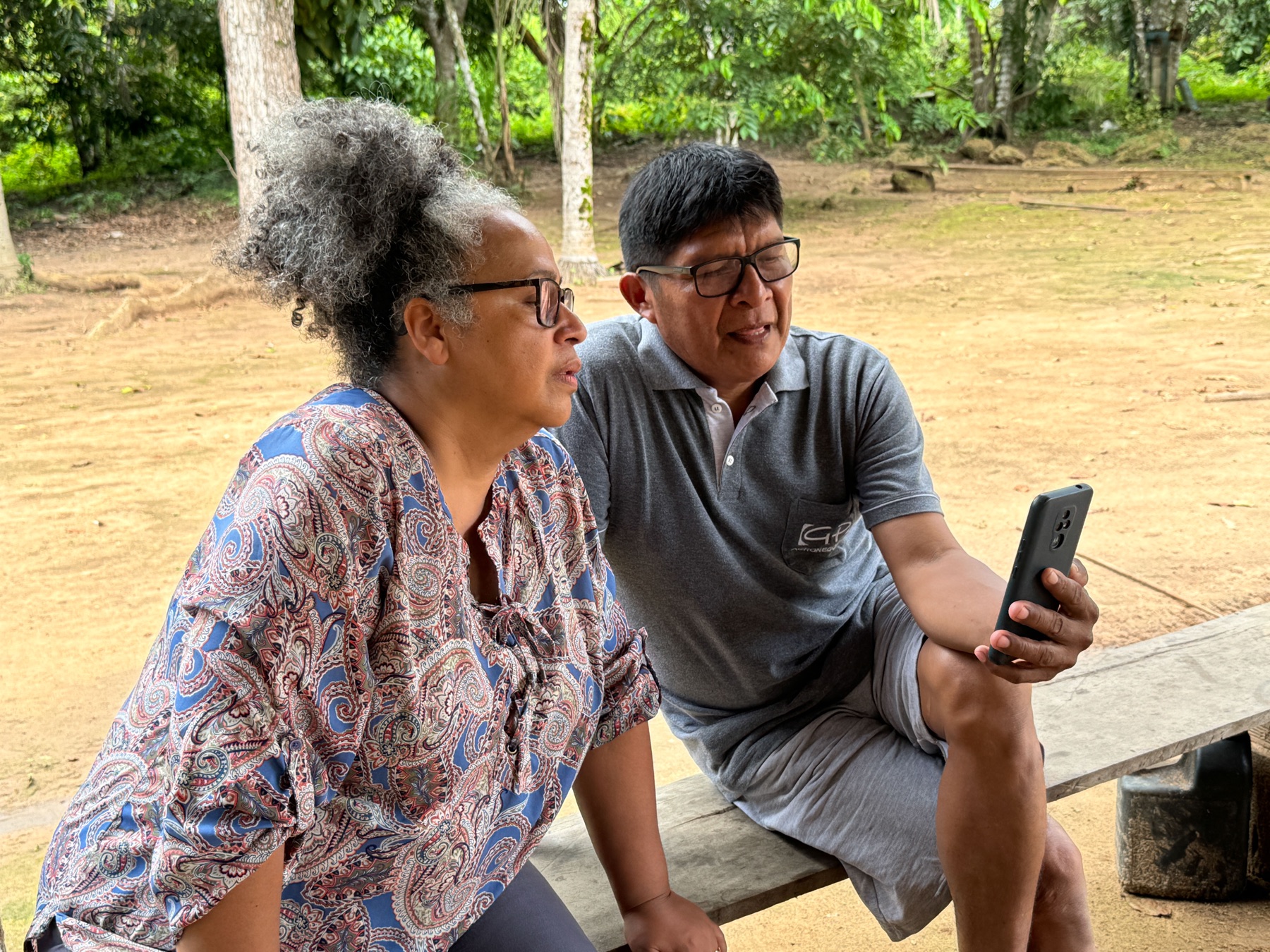
Brazil · Cinta Larga and Tupari
Missionaries serve as mentors and facilitators
A field visit builds trust and makes room for training and quality assurance, so the translations are trusted and trustworthy.

Shema · Oral Bible Translation
Shema celebrates what God is doing as communities hear Scripture in their mother tongue, often for the first time. We help the church understand Oral Bible Translation and stand with the people carrying this work.
Every voice. Every family. Every generation.
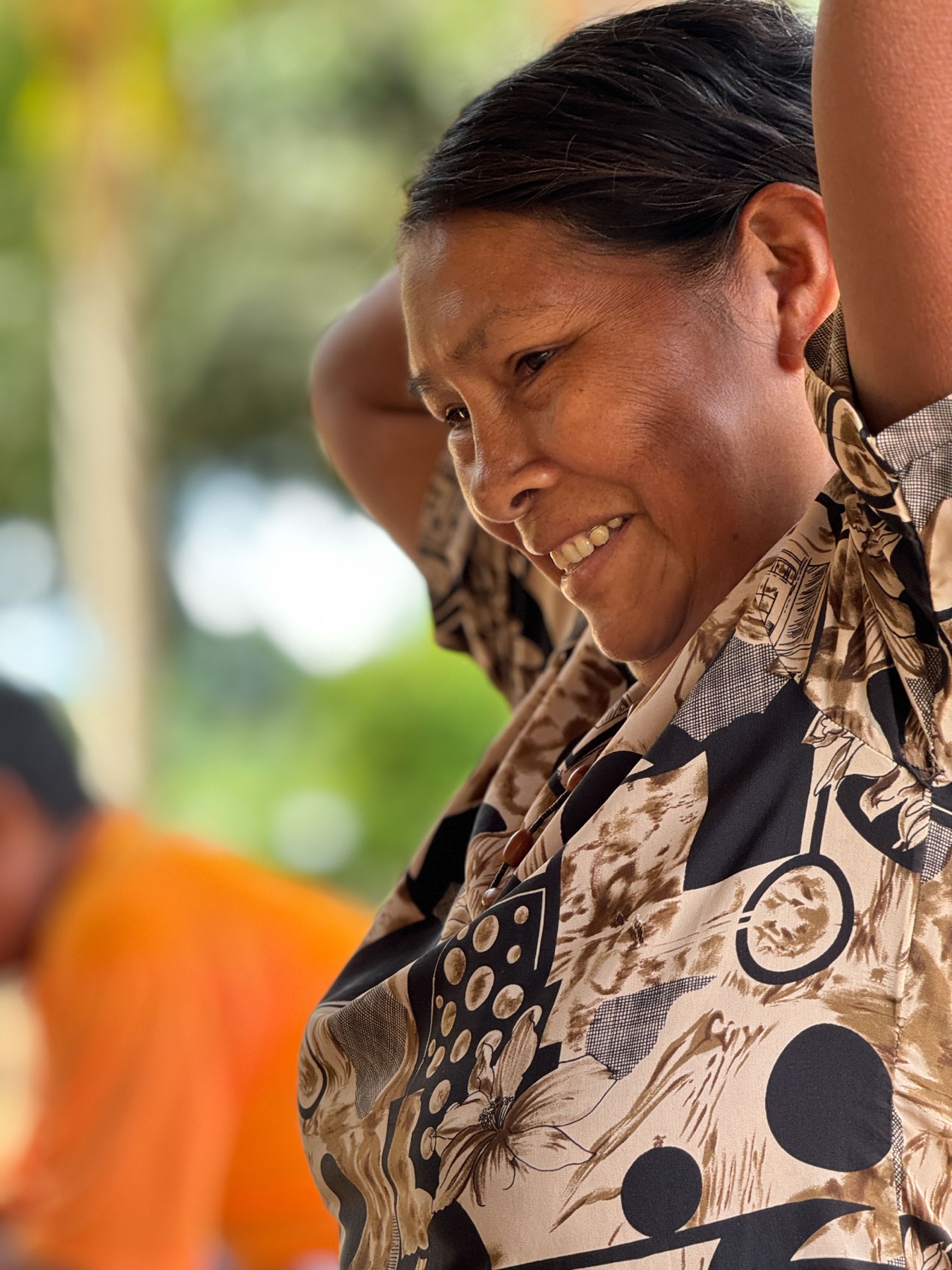
What God is doing
Around the world, mother-tongue speakers are listening, translating, checking, and sharing Scripture in languages close to the heart.
More field stories
Brazil · Cinta Larga and Tupari
A field visit builds trust and makes room for training and quality assurance, so the translations are trusted and trustworthy.
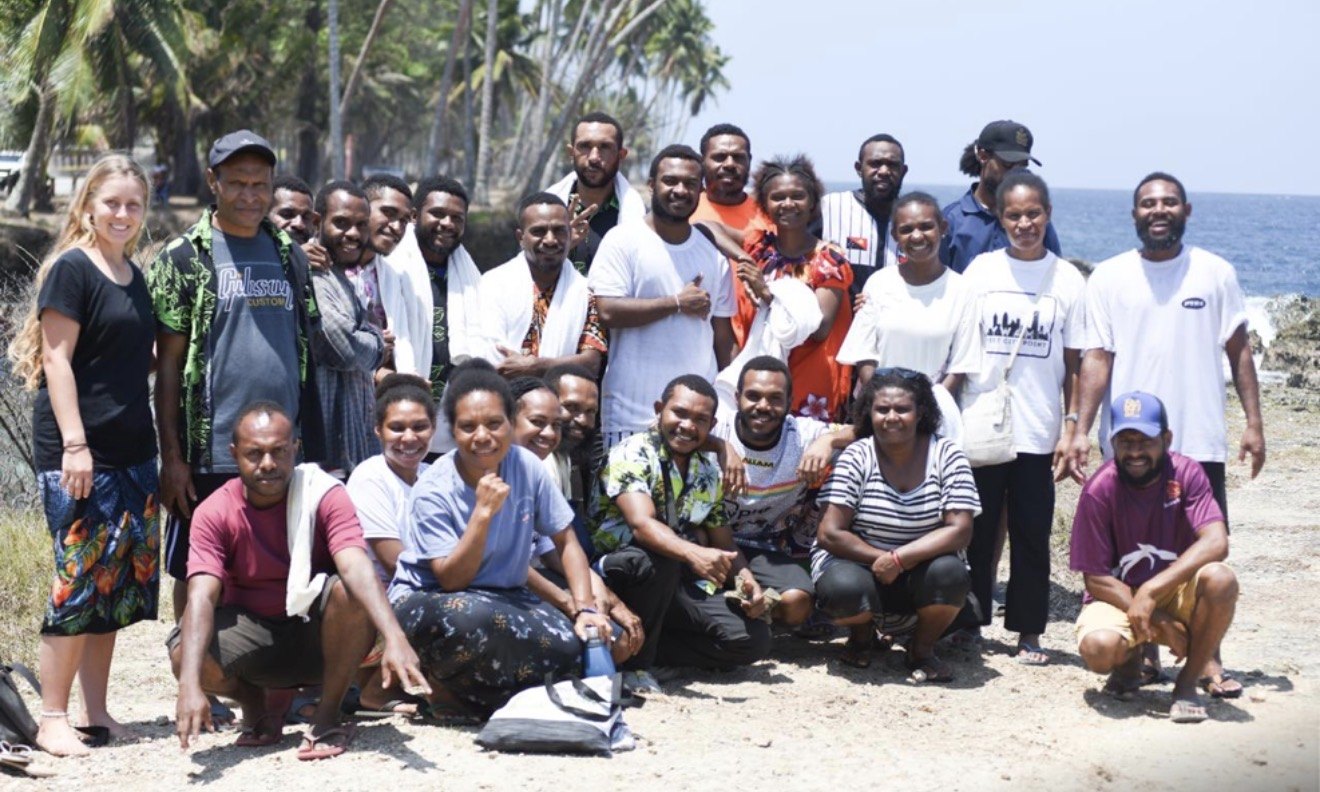
Papua New Guinea · OBT Marathon
Teams gathered for an Oral Bible Translation Marathon and translated the book of Luke into eight Papua New Guinea languages.
Start here
In many communities, knowledge travels through listening, memory, story, and shared speech. Oral Bible Translation begins with the way people already communicate: mother-tongue translators internalize a passage, express it naturally, record it, and invite others to listen and respond.
Listen · Internalize · Translate · Record · Check · Share
A simple introduction
Translators study the meaning of a passage, listen deeply, and carry it in memory before translating.
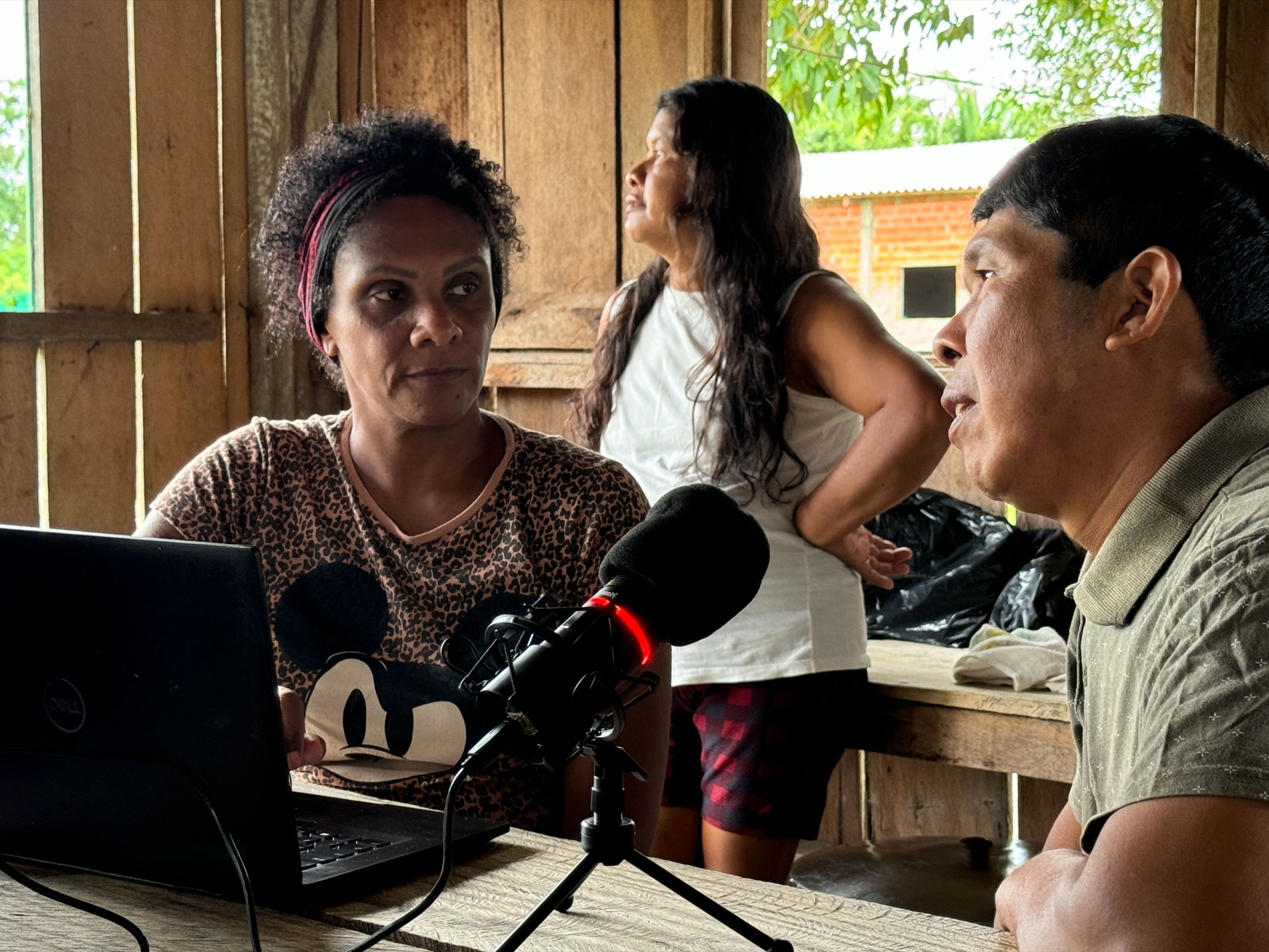
Teams and community listeners test the draft for accuracy, clarity, and naturalness before approved Scripture is shared.
Why oral?
Oral Scripture meets people in a form they use every day.
Natural speech, rhythm, and story help the Word remain in the heart.
Recorded Scripture can move through homes, worship, and discipleship.
Why the name Shema?
Shema (שמע) is the Hebrew word in Deuteronomy 6 that calls God’s people to listen and take his words to heart. Oral Bible Translation also begins with deep listening and internalizing Scripture before it is spoken naturally in another language.
That posture shapes our work: listen to God, listen to communities, and honor the language people call home.
A place for the church
Learn the stories. Pray for translation teams. Give toward the work. Help your church celebrate communities receiving Scripture in their mother tongue.
Support the workJoin the story
Your support serves mother-tongue translators, community reviewers, facilitators, mentors, and the practical work around them.
Support Bible translation